Unexpected water use
Your water bill rises without a clear change in household use, or the meter continues moving when all fixtures are off.
How detection works →
A suspected leak beneath a concrete foundation needs a clear diagnosis before repair. Learn the warning signs, compare common repair approaches, and find out what to ask a plumbing professional.
A slab leak is a leak in plumbing located beneath or within a building’s concrete foundation. Supply-line leaks may show up as unexplained water use, warm or damp flooring, or the sound of water running when fixtures are off. Drain-line leaks can present differently and need an appropriate diagnosis.
The visible symptom is not always directly above the leak. A professional should confirm the source before opening a floor or recommending a major repair. Start with our guide to slab leak detection, then compare the available slab leak repair options.
In the San Antonio area, homeowners may also want to ask how soil movement, pipe age, access, and the specific building’s plumbing layout affect the diagnosis. Those factors vary from property to property, so avoid assuming a single cause.
Ask what test confirmed the leak, where the suspected pipe is located, what repair methods are possible, and what concrete or finish restoration is included in the estimate.
These symptoms can justify an inspection, but they are not proof of an under-slab leak. Other plumbing, appliance, drainage, or exterior issues can produce similar signs.
Your water bill rises without a clear change in household use, or the meter continues moving when all fixtures are off.
How detection works →A local area of tile or concrete feels unusually warm, or moisture keeps appearing near flooring or baseboards.
Explore repair options →Water pressure changes, repeated leaks, or persistent sounds of running water call for a systematic assessment.
When repiping is considered →Explore the options below to understand what each service covers and which questions to ask before approving work.
Find the likely source before deciding how to open a floor or access a pipe.
Read service guide →
Repair options depend on the pipe, the leak location, and how accessible the damaged section is.
Read service guide →
A damaged supply line below a slab needs a confirmed diagnosis and a repair plan suited to the pipe system.
Read service guide →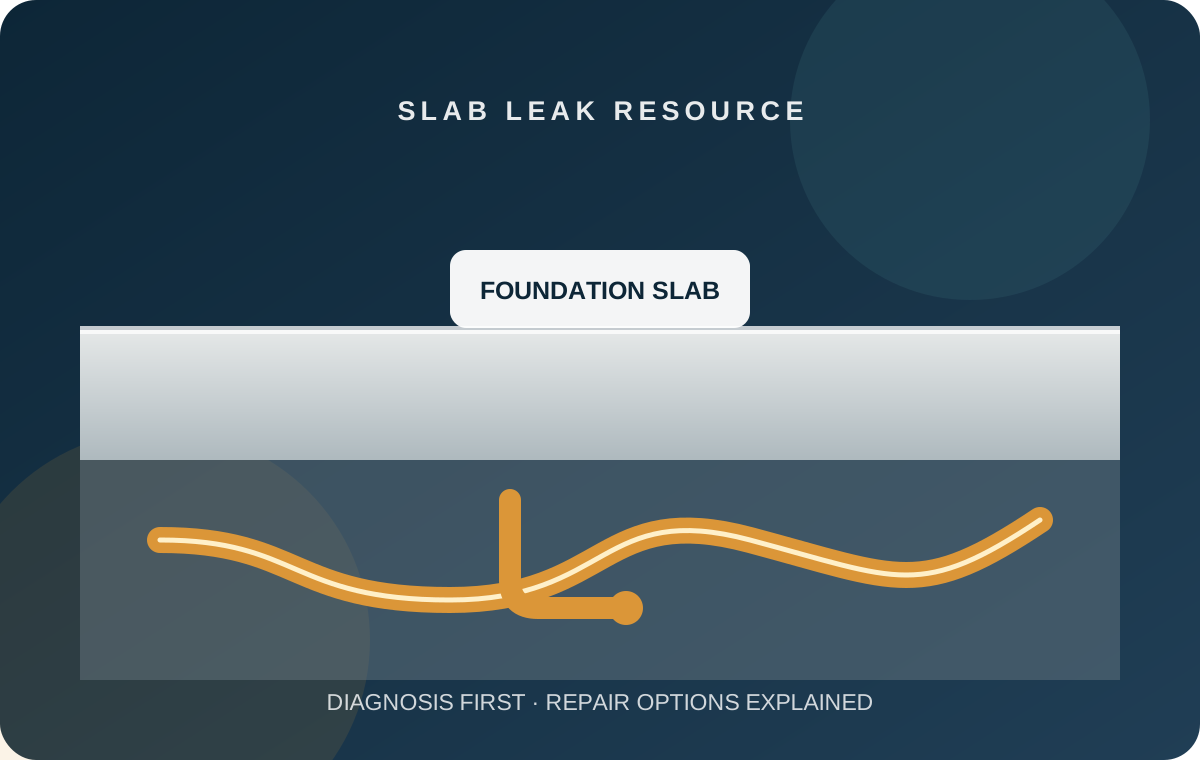
Rerouting replaces the failed section’s route rather than repairing it at the original under-slab location.
Read service guide →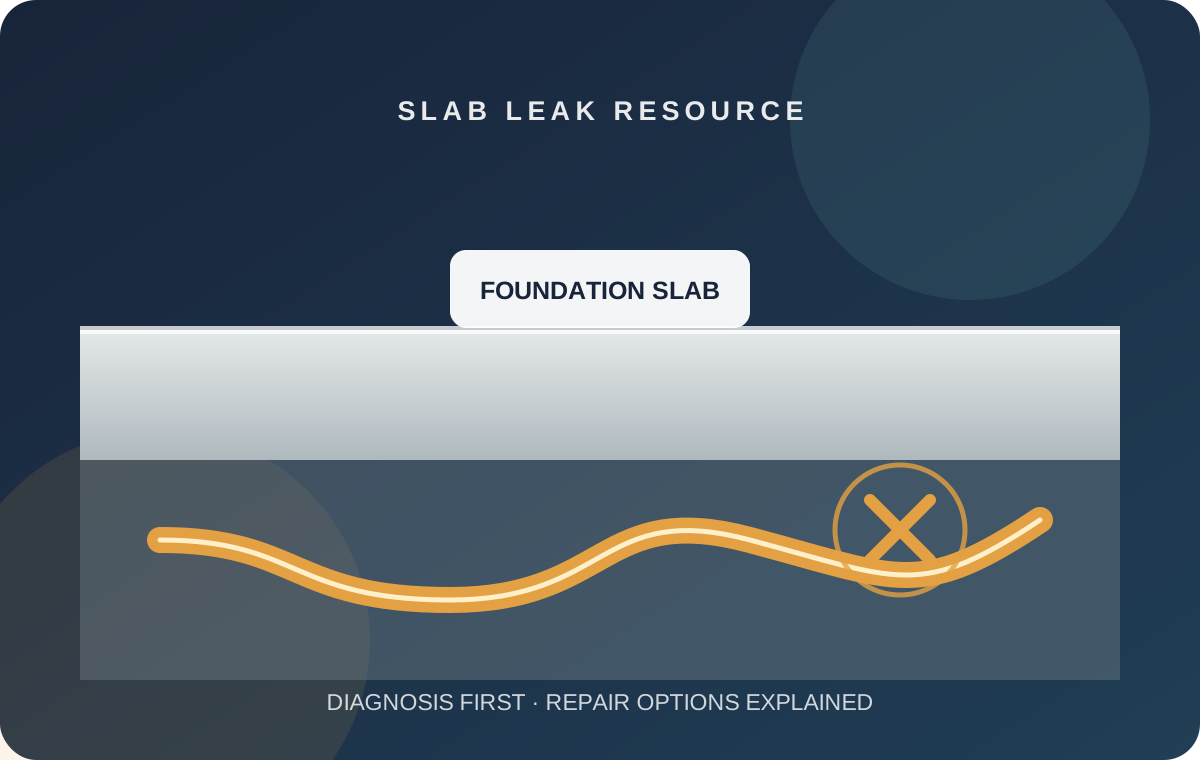
Repiping may be considered when plumbing failures are repeated or piping condition suggests a broader problem.
Read service guide →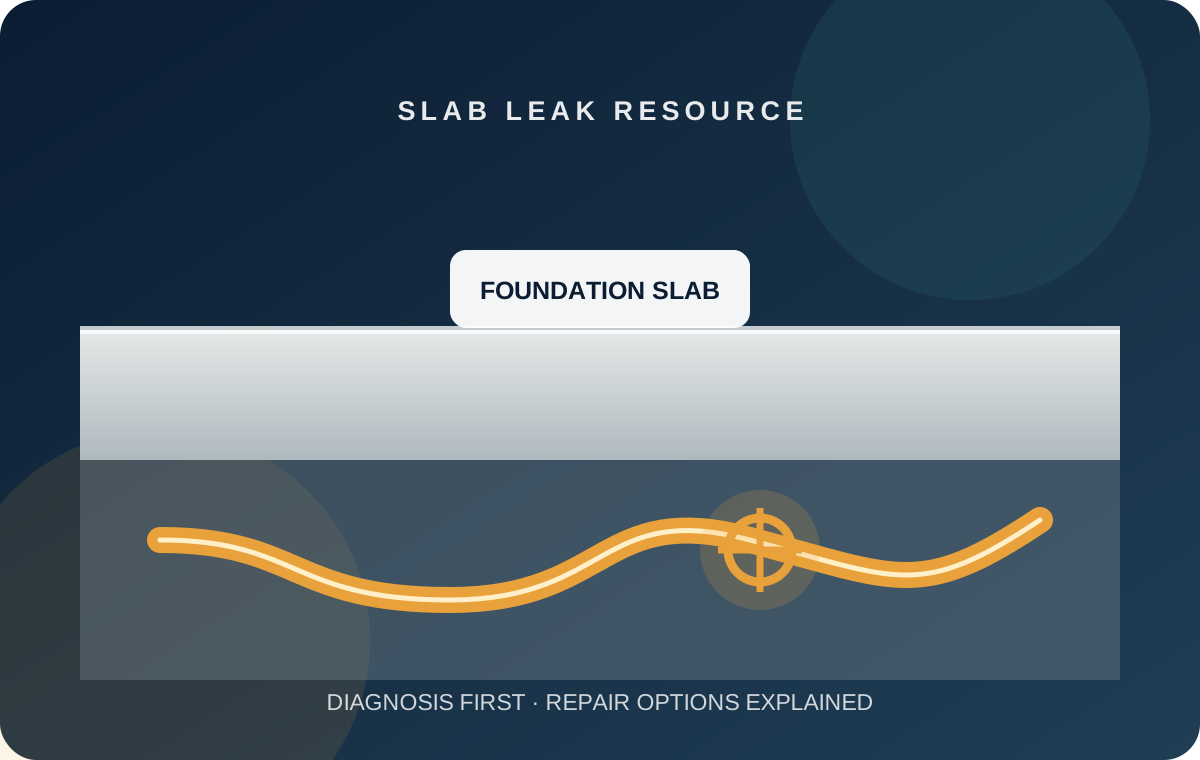
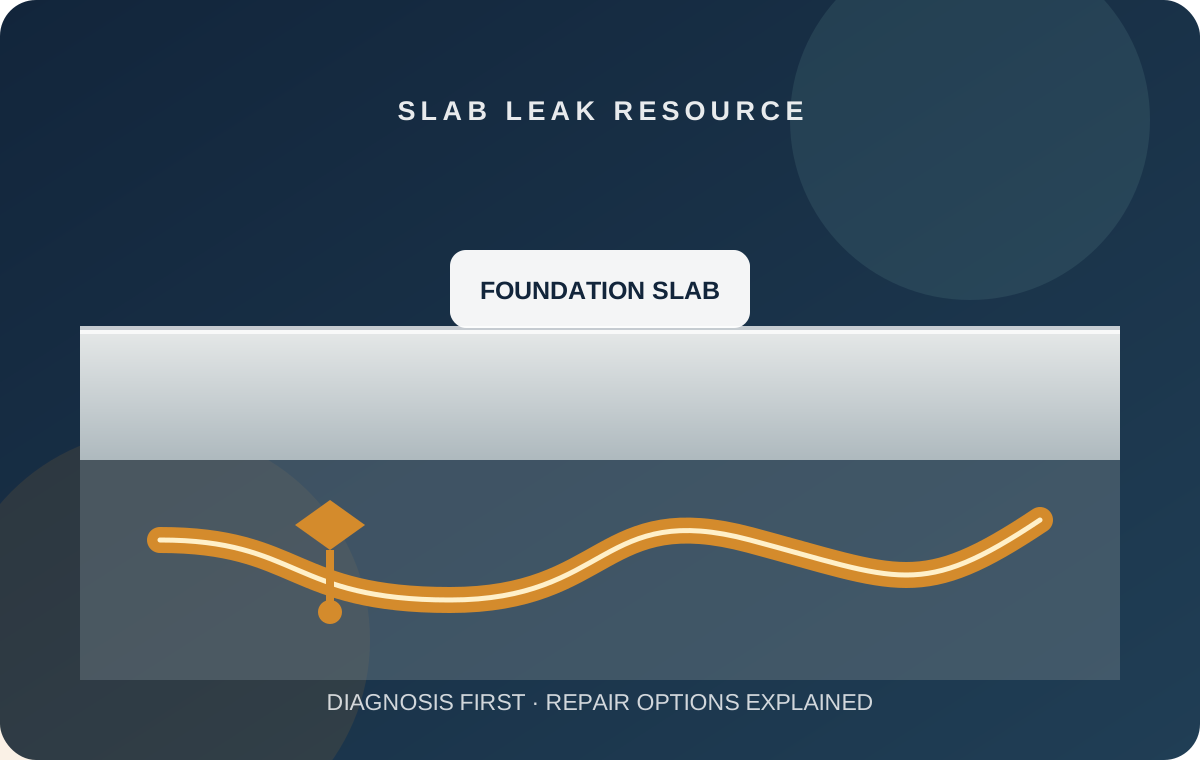
Drain-line leaks require a different diagnostic approach from pressurized water-line leaks.
Read service guide →These pages explain useful questions for residents in selected areas. They do not guarantee that a particular contractor serves every address; confirm coverage before arranging a visit.
Stone Oak includes residential areas in north-central San Antonio where homeowners may need help evaluating unexplained water use, damp floors, or suspected plumbing leaks. Service availability must be confirmed when you contact a provider.
View area guide →
Homes in and around Alamo Heights vary in age, layout, and plumbing history. When a leak is suspected beneath a concrete floor, the first step is confirming the source rather than assuming that the slab itself is the cause.
View area guide →
Downtown properties can differ substantially in age, occupancy, and plumbing configuration. For suspected under-slab leaks, the right repair depends on the building and confirmed pipe location, not simply the neighborhood.
View area guide →
For residents in Leon Valley, unexplained moisture, recurring damp flooring, or unusual water use can be reasons to request a plumbing assessment. The same symptoms may arise from leaks in fixtures, walls, or outdoor lines, so diagnosis matters.
View area guide →
Home layouts and plumbing access differ across Helotes and nearby communities. A suspected slab leak should be evaluated based on its symptoms, pipe system, and access options before a repair method is selected.
View area guide →Use the contact page to describe the symptoms and the type of property. Before any appointment is set, confirm whether an independent provider is available for your address and whether their services match the problem.
Start with the basics, then use the service guides for more detail.
Ongoing leakage can contribute to moisture damage and may affect supporting soil. Prompt diagnosis helps establish whether a leak exists and what repair is appropriate.
Cost depends on the pipe, location, diagnostic work, access, repair method, and restoration. This site does not publish a made-up price; request a written estimate for your specific property.
No. Depending on the confirmed source and layout, a provider may consider localized access, rerouting, or another suitable method. Ask why a specific option is recommended.
Coverage varies by policy and cause. Contact your insurer, document the symptoms, and ask the provider for an itemized diagnosis and estimate if you plan to submit a claim.
No. This website is a referral-information service, not the contractor performing the work. Any independent provider’s identity, license, insurance, scope, and pricing should be confirmed directly.
Describe the symptoms and ask what diagnostic and repair options may fit your property.